Protein
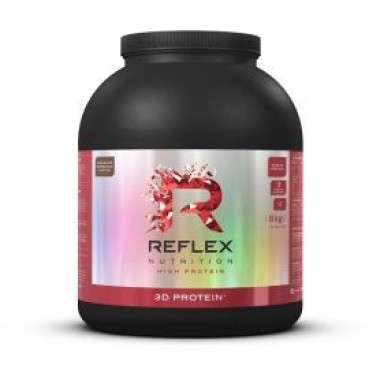

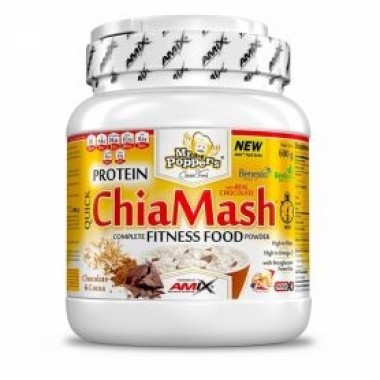
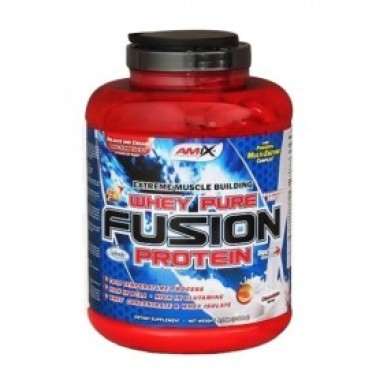
36.00€
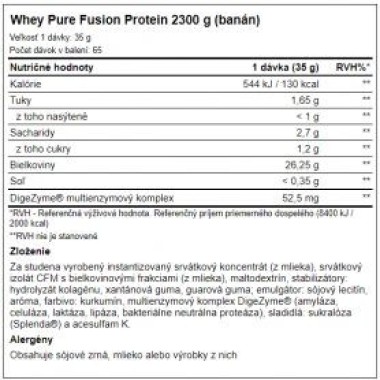
Information about AMIX Whey Pure Fusion Protein AMIX AMIX Whey Pure Fusion Protein is a premium-qua..
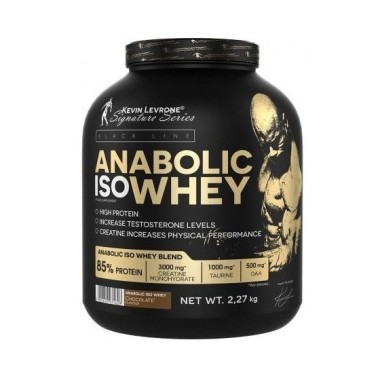
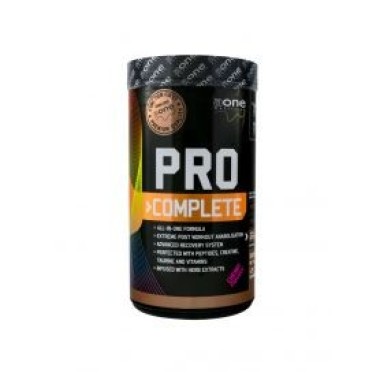


132.00€
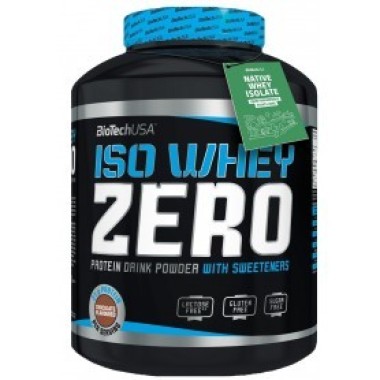
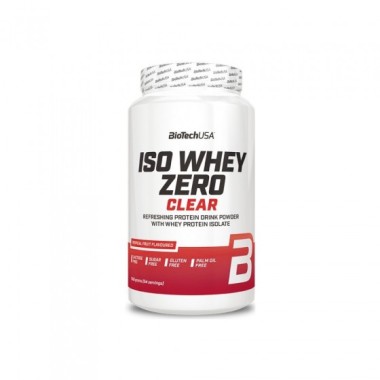
Information about BioTech USA - Iso Whey Zero 500g Biotech Beijing Pharmaceuticals BioTech USA - Iso..
71.00€
BioTech USA Iso Whey Zero 2270 g Biotech Beijing Pharmaceuticals — Short Description BioTech USA Iso..
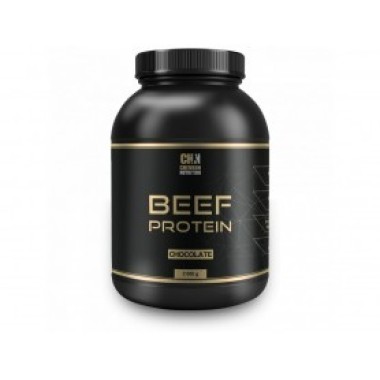
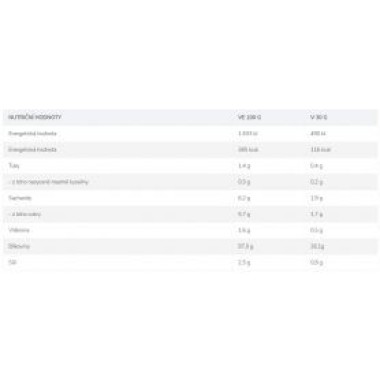
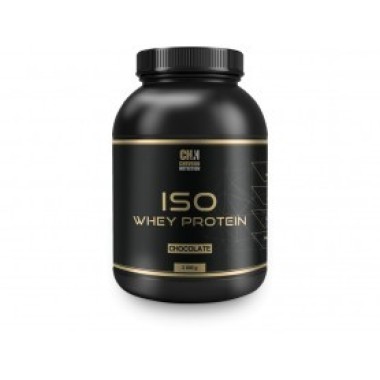
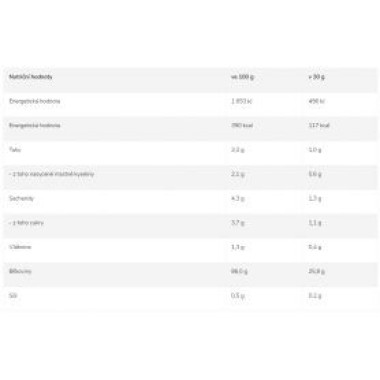


Understanding Protein: Essential Building Block for Performance
Protein is a fundamental macronutrient composed of amino acids, which are the building blocks of biological systems. It plays a crucial role in not only the construction and repair of tissues but also in the production of enzymes and hormones. For those engaged in athletic endeavors, the significance of protein cannot be overstated. Athletes and fitness enthusiasts often turn to protein supplements to enhance their recovery, promote muscle growth, and improve overall athletic performance. In the realm of sports pharmacology, the use of proteins and protein-rich products has become increasingly relevant, providing a scientifically backed approach to optimizing physical results and maximizing training efforts.
In the context of sports and exercise, protein serves multiple purposes. It aids in muscle recovery by repairing damaged fibers resulting from intense workouts. Additionally, adequate protein intake can lead to greater muscle hypertrophy, which is particularly crucial for those aiming for increased strength or size. Furthermore, protein is essential for maintaining a healthy immune system, which is often compromised in athletes due to intense physical stress. Given its importance, understanding the types of protein (such as whey, casein, and plant-based proteins) can help individuals choose the right products to suit their nutritional needs.
Other Nutritional Products: Key Characteristics
While the focus here is on protein and its various applications, it’s paramount to differentiate between protein-rich products and those that do not contain protein. Products in this category may encompass a range of nutritional supplements, including carbohydrates, fats, and various micro-nutrients designed for specific dietary goals. Understanding these products' characteristics is essential for anyone looking to tailor their supplement regime. Below are critical traits and considerations associated with these alternate nutritional products:
- Composition: These products might primarily provide carbohydrates, vitamins, or minerals that support energy levels and overall health without the addition of protein.
- Usage: Many of these products are intended for individuals looking to gain weight or increase their carbohydrate intake, such as endurance athletes.
- Contraindications: Pregnant women should exercise caution as certain products may contain ingredients not suitable during pregnancy. Additionally, individuals with specific allergies or intolerances (like gluten or lactose) should read labels carefully.
- Medical Conditions: Individuals with metabolic disorders or those under specific dietary restrictions need to ensure they consult healthcare professionals before incorporating these products into their diets.
- Age Restrictions: Some products might not be appropriate for children or seniors, who have different nutritional needs.
Current Trends in Protein Supplements
As the health and fitness landscape evolves, so do the products designed to meet the demands of their users. Currently, one of the most significant trends in protein supplements is the move towards plant-based options. This shift is not just a response to dietary preferences but also a growing emphasis on sustainability and eco-friendly sources of nutrition. Products made from pea, rice, or hemp proteins are gaining traction, particularly among vegans and those with lactose intolerance.
Moreover, the rise of personalized nutrition has influenced protein supplement choices, encouraging manufacturers to develop formulas tailored to individual goals, whether for weight loss, muscle building, or recovery. Customization is an attractive feature, driving consumer engagement and satisfaction.
Another trend involves the increased scientific scrutiny of protein timing and type. Research indicates that consuming protein at strategic times—such as post-workout—can significantly enhance muscle recovery and growth. These insights are helping consumers make informed decisions about when and how to integrate protein into their diets, further promoting its role as a central nutrient in sports performance.
Understanding Non-Protein Nutritional Products in Sports Pharmacology
In sports pharmacology, the role of non-protein nutritional products is equally significant. These products cater to various performance needs, addressing energy demands, endurance, and overall recovery. The distinct characteristics of these products can provide a comprehensive framework for athletes and fitness enthusiasts striving to improve their performance sustainably.
For instance, the inclusion of carbohydrates may enhance glycogen replenishment post-exercise, while specific vitamins and minerals support metabolic processes essential for energy production. Approaching these products with an understanding of their intended applications allows individuals to strategically incorporate them into their training regimens, complementing the benefits of protein-rich options.
In conclusion, as athletes and fitness-focused individuals navigate the complex landscape of supplements, it’s imperative to consider both protein and non-protein products. Proper education and responsible usage can lead to improved performance outcomes while promoting overall health and well-being. Always consider personal health conditions, dietary preferences, and consult health professionals where necessary to create an optimal supplement strategy.