
Amino acids
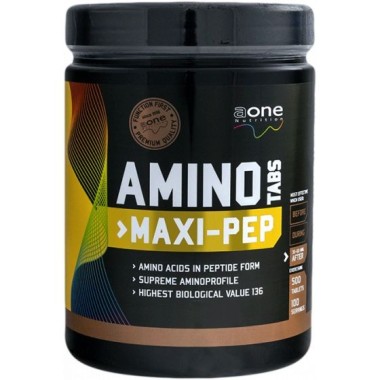
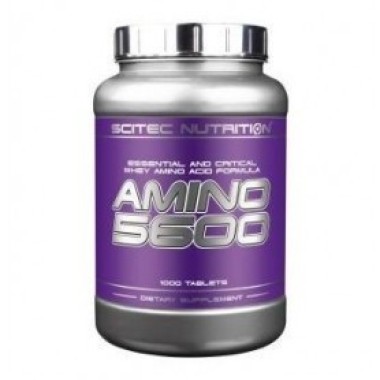
36.00€
Buy Scitec Nutrition Amino 5600 Scitec Nutrition in Ireland in the anabolic store Purchasing Scitec..

49.00€
What is included in the composition of Universal Animal Nitro 396 tabs UNIVERSAL Universal Animal N..
Amino Acids: The Building Blocks of Life
Amino acids are organic compounds that serve as the fundamental building blocks of proteins, essential for numerous physiological processes in the human body. They play a crucial role in synthesizing hormones, neurotransmitters, and enzymes, which collectively contribute to the body’s metabolic activities. In the realm of sports pharmacology, amino acids have garnered widespread attention for their potential to enhance athletic performance and accelerate recovery.
There are 20 standard amino acids, which can be categorized into essential amino acids (EAAs) and non-essential amino acids (NEAAs). EAAs, which cannot be synthesized by the body and must be obtained through diet, are particularly vital for athletes and fitness enthusiasts. Key amino acids like leucine, isoleucine, and valine comprise the branched-chain amino acids (BCAAs), known for their role in muscle protein synthesis and energy production during exercise.
As athletes seek optimal performance, the integration of amino acids into their diets has become increasingly common. Supplements containing amino acids are leveraged to reduce muscle soreness, improve recovery time, and support lean muscle mass development. Moreover, emerging research continues to explore the fine line between performance enhancement and safety, shaping the landscape of amino acid use in sports pharmacology.
Characteristics of Sports Supplements
While amino acids are widely regarded for their benefits, an array of sports supplements exists that do not contain them. Understanding the fundamental principles and characteristics of these products is essential for discerning athletes and fitness enthusiasts. Below is a structured overview:
- Purpose: Many supplements aim to enhance energy levels, endurance, or muscle performance without directly using amino acids.
- Ingredients: Common ingredients in non-amino acid supplements may include stimulants, carbohydrate sources, and vitamins, tailored to support athletic goals.
- Contraindications: Certain groups may need to exercise caution when using these products, including:
- Pregnant women, as safety of many ingredients is not adequately established.
- Children, due to differing nutritional needs and potential side effects.
- Individuals with underlying medical conditions, such as diabetes or gastrointestinal issues, which might be exacerbated by certain supplement contents.
- Precautions: It is crucial to consider the timing and dosage of these products, as overuse can lead to adverse effects.
- Label Transparency: Always check for third-party testing and the disclosure of all ingredients to ensure informed decisions.
Amino Acids: Trends and Developments
As the nutritional landscape evolves, trends surrounding amino acids in both dietary and supplemental forms are rapidly shaping the athletic and fitness industries. One significant development is the increased availability of plant-based amino acid supplements, catering to the growing demand for vegan and vegetarian-friendly products. These alternatives offer a broad spectrum of amino acids, enabling plant-based athletes to achieve their protein intake goals.
Moreover, advancements in amino acid delivery systems, such as time-released formulations and flavored powders, have gained traction. These innovations enhance user experience, making supplementation more appealing and convenient for individuals balancing busy lifestyles. Research continues to probe into the optimal ratios and combinations of amino acids for specific athletic goals, paving the way for personalized supplementation plans tailored to individual performance needs.
Social media, fitness communities, and research publications have contributed to a better-informed audience, driving discussions around dosages, effectiveness, and safety. Athletes are increasingly seeking evidence-based recommendations and exploring amino acid supplementation's nuances to harness their full potential while minimizing risks.
Summary of Sports Supplements
The array of products in sports pharmacology, particularly those that do not contain amino acids, offers diverse options tailored for various athletic needs. These products fill essential roles, including boosting energy, enhancing endurance, and supporting muscle recovery without relying on amino acids. However, the importance of understanding their characteristics cannot be overstated. Athletes should approach supplementation with awareness of the contraindications and recommended precautions, ensuring a knowledgeable approach to their health and performance.
In conclusion, whether incorporating amino acids or supplementation that avoids them, the emphasis should always be on informed choices, underscoring the necessity of thorough understanding of any regimen. As science continues to evolve, athletes must remain adaptable, seeking evidence-backed methods to optimize performance while prioritizing safety and well-being.