
Levocarnitine
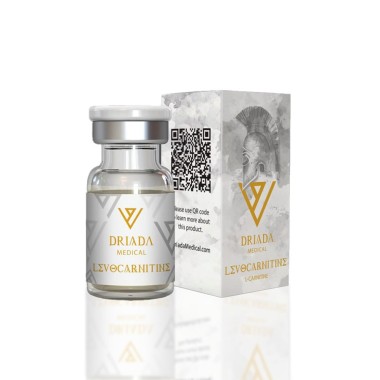
33.00€
Description Levocarnitine 500 mg Driada Medical Levocarnitine 500 mg Driada Medical is a high-quali..
[Contains Levocarnitine]
Levocarnitine, also known as L-carnitine, is a naturally occurring compound synthesized in the human body from two essential amino acids: lysine and methionine. The primary role of Levocarnitine revolves around energy production. It facilitates the transport of fatty acids into the mitochondria, the powerhouse of cells, where they are oxidized to produce energy. This process is crucial not just for general bodily functions but also for athletic performance, making Levocarnitine a common topic of interest within sports pharmacology.
Athletes and fitness enthusiasts often seek to enhance their performance, endurance, and recovery times. Levocarnitine is widely acclaimed for its potential benefits in this regard. Supplementation may enhance exercise capacity, aid in fat oxidation, and reduce muscle soreness post-exercise. Given these properties, many individuals consider incorporating Levocarnitine into their supplementation routines, particularly in endurance sports like running or cycling.
[Does not contain Levocarnitine]
While there are numerous supplements available in the marketplace, not all will contain Levocarnitine. It is important to stay informed about the key characteristics and fundamental principles common to such products. Below is a list of considerations for those exploring alternatives:
- Ingredient Transparency: Always check for the inclusion of active ingredients on the label to understand what you're consuming.
- Intended Use: Some products may be designed for muscle recovery, while others might focus on energy boosting.
- Probable Side Effects: Be aware of potential side effects associated with certain formulations, such as gastrointestinal discomfort or allergic reactions.
- Contraindications: Certain groups may need to avoid supplementation. Pregnant women, nursing mothers, and children should consult a healthcare professional prior to use.
- Medical Conditions: Individuals with conditions such as seizures, hypothyroidism, or kidney disorders might experience adverse interactions and should refrain from unsupervised use of these products.
[Contains Levocarnitine]
Recent trends in the supplement industry highlight a growing interest in Levocarnitine, particularly concerning its versatile applications. Research continues to evolve around this compound, exploring its efficacy in not just performance enhancement but also weight management and mental health benefits. Various formulations of Levocarnitine supplements can be found on the market today, including liquid, capsule, and powder forms, allowing users to choose according to their preferences.
Moreover, newer studies suggest that Levocarnitine may play a role in recovery strategies post-exercise, with some evidence indicating that it can help mitigate exercise-induced muscle damage. User preferences have shifted towards products which are more natural and free from additives, guiding product development towards cleaner ingredient profiles. The popularity of Levocarnitine is also being reflected through endorsements by fitness instructors and sports scientists who advocate its inclusion in dietary regimens for achieving fitness goals.
[Does not contain Levocarnitine]
In the realm of sports pharmacology, products that do not include Levocarnitine serve an essential purpose, providing alternative avenues for athletes to explore regarding supplementation and performance enhancement. These alternatives may include creatine for strength boosting, branched-chain amino acids (BCAAs) for muscle recovery, and various pre-workout formulations aimed at enhancing endurance and focus. Understanding the characteristics of these products is crucial for any athlete or fitness enthusiast engaged in optimizing their training regimens.
However, it is equally important to consider responsible usage. Athletes are advised to consult healthcare professionals or sports nutritionists to tailor their supplementation strategy according to their individual health profiles and performance objectives. Such mindfulness not only maximizes safety but ensures that athletes can achieve their goals effectively and sustainably.