
Phenoxymethylpenicillin
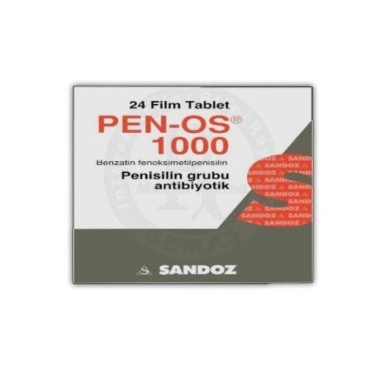
24.00€
Description of the product Pen-OS 1000 Sandoz Pen-OS 1000 Sandoz is a premium-grade compound specif..
Phenoxymethylpenicillin — General information
Phenoxymethylpenicillin, commonly referred to as penicillin V, is a widely recognized antibiotic that belongs to the penicillin class of medications. It is primarily utilized for its effective antibacterial properties, making it a go-to option for treating various bacterial infections. The compound was first isolated in the 1940s and has since become a cornerstone in the management of infections caused by susceptible organisms. A particularly notable aspect of Phenoxymethylpenicillin is its stability in the presence of gastric acid, allowing it to be administered orally, which offers convenience compared to other injectable forms of penicillin. This accessibility has made it a favored choice among healthcare providers for outpatient treatment settings.
Phenoxymethylpenicillin is particularly effective against certain strains of bacteria, including Streptococcus and Staphylococcus species. However, it is critical to note that this antibiotic is not effective against all bacterial infections, particularly those caused by resistant strains or certain types of gram-negative bacteria. As a result, physicians must conduct thorough assessments and diagnostic testing to determine the suitability of Phenoxymethylpenicillin for each specific patient. Despite its longstanding presence in the antibiotic arsenal, information regarding its specific pharmacokinetics and pharmacodynamics can be somewhat limited, particularly in the context of its applications beyond standard therapeutic use.
Pharmacological properties
Phenoxymethylpenicillin works by inhibiting the synthesis of bacterial cell walls, leading to cell lysis and ultimately, the death of the bacteria. Its action is based on the ability to bind to penicillin-binding proteins (PBPs) present on the bacterial cell membrane. This interference with cellular structure is highly effective against bacteria that are sensitive to this antibiotic. Furthermore, Phenoxymethylpenicillin exhibits a time-dependent killing effect, which means that its efficacy is determined by the duration of drug exposure at concentrations above the minimum inhibitory concentration (MIC). On a pharmacokinetic level, the absorption of Phenoxymethylpenicillin is quite favorable when taken orally, with peak plasma concentrations usually reached within one to two hours after administration.
The distribution of Phenoxymethylpenicillin throughout the body shows moderate penetration into various tissues, including the lungs and respiratory tract, making it advantageous for treating infections in these areas. However, it has limited ability to cross the blood-brain barrier; therefore, it is not typically used for central nervous system infections. The drug is primarily excreted through the kidneys, necessitating caution in patients with renal impairment. Its relatively short half-life implies that multiple dosing may be required to maintain effective therapeutic levels in the bloodstream. Despite these characteristics, the definitive pharmacological profile of Phenoxymethylpenicillin, particularly concerning its effects on athletic performance or muscle growth, is not fully outlined in available literature.
Indications for the use of Phenoxymethylpenicillin
The primary indications for the use of Phenoxymethylpenicillin involve the treatment of various bacterial infections, particularly those caused by susceptible strains. Common conditions treated include streptococcal pharyngitis, skin and soft tissue infections, and various respiratory infections. Additionally, it is often employed in the management of dental infections, where its effectiveness against oral streptococci comes into play. It may also be indicated for patients undergoing prophylaxis against infective endocarditis in at-risk populations, especially prior to dental procedures. While Phenoxymethylpenicillin is efficacious against a range of conditions, it must be remembered that resistance patterns among bacteria can vary, and healthcare providers should ensure that cultures and sensitivities guide treatment options.
Moreover, athletes sometimes inquire about the use of medications like Phenoxymethylpenicillin for performance enhancement or specific health issues related to training. However, it is essential to stress that using this antibiotic outside its indicated therapeutic applications is not advisable. Athletes should instead focus on healthy training and recovery protocols. If you are considering a Phenoxymethylpenicillin cycle as part of a health regimen, it is crucial to consult with a healthcare professional who can provide guidance based on sound medical advice and the latest evidence in sports pharmacology.
Method of administration
Phenoxymethylpenicillin is primarily administered orally. It is available in various formulations, including tablets and oral suspensions, to accommodate different patient needs. The recommended dosage and duration of treatment depend on the specific type of infection being treated, the age and weight of the patient, and other individual health considerations. Typically, the medication is taken two to four times daily, with or without food. For optimal absorption, patients are generally advised to take it consistently at regular intervals without gaps in the dosing schedule. Compliance with the prescribed regimen is crucial, as improper use may lead to suboptimal treatment outcomes or development of antibiotic resistance.
In cases of severe infections requiring more aggressive intervention, healthcare providers may resort to parenteral administrations of other penicillin preparations. However, for most outpatient cases, Phenoxymethylpenicillin offers a suitable oral option. It is important for patients to follow the prescribed protocol closely and to report any adverse reactions or lack of improvement in symptoms to their healthcare providers promptly. The convenience of its oral formulation is a significant factor in its widespread use, particularly among patients who may be hesitant to undergo injections.
Contraindications for the use of Phenoxymethylpenicillin
While Phenoxymethylpenicillin is generally considered safe for use in most patients, certain contraindications must be taken into account. Individuals with a known allergy to penicillins or any related β-lactam antibiotics should avoid using this medication, as allergic reactions can range from mild rashes to severe anaphylactic responses that may pose significant health risks. Additionally, patients with a history of liver dysfunction or severe renal impairment may need close monitoring or dosage adjustments if prescribed Phenoxymethylpenicillin, due to the drug's metabolism and excretion pathway.
Furthermore, safety during pregnancy has not been thoroughly established, and although it is categorized as a pregnancy category B drug, its use should be approached with caution. Women who are pregnant or breastfeeding should consult their healthcare providers to weigh the potential benefits and risks associated with its use. Overall, it is essential for healthcare professionals to consider these contraindications and individual patient histories thoroughly before initiating treatment with Phenoxymethylpenicillin to ensure a safe and effective therapeutic experience.
Possible side effects
As with any antibiotic medication, Phenoxymethylpenicillin is associated with potential side effects, which may occur in a minority of patients but are important to recognize. Common side effects may include gastrointestinal disturbances such as nausea, vomiting, diarrhea, or abdominal discomfort. These symptoms are typically mild and transient, resolving upon discontinuation of the medication. However, more serious side effects can also occur, albeit less frequently. Allergic reactions, including rashes, itching, or swelling, should be monitored closely, and any signs of anaphylaxis—such as difficulty breathing or swelling of the face and throat—constitute a medical emergency that requires immediate action.
Additionally, prolonged use of Phenoxymethylpenicillin can alter the normal flora of the gut, leading to superinfections, such as Clostridium difficile-associated diarrhea, which may require additional treatment. It is vital that patients are educated on the significance of completing their prescribed course of antibiotics to mitigate these risks and preserve the efficacy of existing antibiotics against bacterial infections. If side effects are encountered, patients are encouraged to communicate with their healthcare providers to make informed decisions about their treatment continuity.
Buy Phenoxymethylpenicillin online on our sports pharmacology website in Ireland
For those who are considering treatment options and are looking to buy Phenoxymethylpenicillin, it is now more convenient than ever to access this medication online through our dedicated sports pharmacology website. With a growing demand for reliable pharmaceutical products, we offer certified Phenoxymethylpenicillin available for purchase in Ireland, ensuring that you receive high-quality medications that meet safety standards. Our user-friendly platform allows you to browse the available options easily and securely place your order.
Our commitment extends beyond just providing access to Phenoxymethylpenicillin; we ensure that our customers receive reliable support throughout their purchasing experience. This includes access to information about the correct dosage and administration, as well as any necessary consultations. With swift delivery services across Ireland, we aim to provide seamless access to necessary treatments, enhancing safety and health for athletes and everyday individuals alike. So, if you're looking to buy Phenoxymethylpenicillin, trust our online platform to deliver quality products along with exceptional customer service.