
Fusidic acid
40.00€
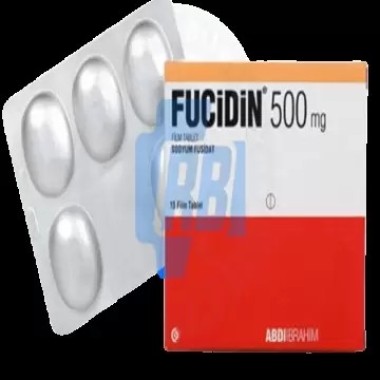
Feel Your Power with FUCIDIN 500 mg Abdi Ibragim As athletes, we understand that every rep counts an..
58.00€
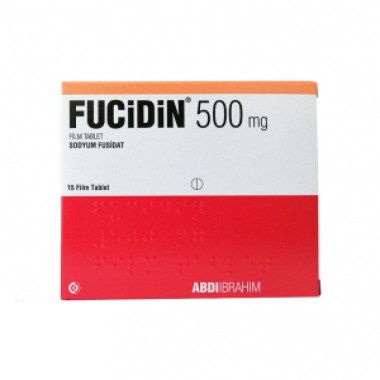
Active ingredients of Fucidin Abdi Ibragim and their properties Fucidin Abdi Ibragim features key a..
[Contains Fusidic acid]
Fusidic acid is a potent topical antibiotic that belongs to the class of drugs known as antibacterial agents. Primarily used for treating skin and eye infections, its primary purpose is to inhibit the growth of bacteria, particularly Staphylococcus species, which are commonly responsible for a variety of infections. These infections may include conditions like impetigo, folliculitis, and infected eczema. Fusidic acid effectively addresses user needs for effective treatment options to prevent the progression of bacterial infections, providing relief from symptoms such as inflammation, redness, and discomfort. As a topical agent, it is widely used for its targeted action and minimal systemic absorption, making it a suitable choice for localized infections.
[Does not contain Fusidic acid]
Topical antibiotic products that do not contain Fusidic acid are typically designed for individuals requiring alternative treatment options for bacterial skin conditions. These products may be used in various contexts, ranging from treating minor cuts and abrasions to addressing conditions like acne or bacterial infections in patients sensitive to Fusidic acid or those who may not respond well to it. The target audience encompasses a wide age range, including adults, adolescents, and children — although it's essential to consult with a qualified healthcare professional before use. Certain precautions should be considered, such as avoiding these products in individuals with known allergies to other topical antibiotics, pregnant or lactating women, and those with underlying conditions like eczema or psoriasis, which may exacerbate side effects.
[Contains Fusidic acid]
The key characteristics of Fusidic acid include its broad-spectrum antibacterial activity, rapid action against various strains of bacteria, and excellent skin tolerability. This compound is available in multiple formulations, including creams, ointments, and eye drops, making it versatile for different types of infections. Its benefits are particularly valuable for users who suffer from bacterial infections that do not require systemic treatment. Below is a list of the main benefits of using products that contain Fusidic acid:
- Effective against a range of bacteria, primarily Staphylococcus aureus.
- Localized action that minimizes systemic side effects and drug interactions.
- Fast relief from symptoms associated with skin infections.
- Widely used for treating various dermatological conditions, making it a staple in many medical practices.
- Excellent tolerability with minimal risk of irritation for most users.
These products are particularly suitable for individuals facing chronic skin issues or those prone to recurrent bacterial infections. The localized nature of their application allows for treatment while minimizing risk for individuals already taking other medications or those with underlying health conditions, facilitating a smooth integration into personal healthcare routines.
[Does not contain Fusidic acid]
Non-Fusidic acid topical products have significant value in the realm of dermatological treatments. These alternatives, often formulated with different active ingredients, can offer practical applications for those looking to treat specific skin concerns without the use of Fusidic acid. For example, they may utilize agents like clindamycin, erythromycin, or other non-antibiotic compounds suitable for various infections or skin issues. It's essential to select appropriate products based on individual conditions and needs. Responsible selection and application of these products ensure a decrease in the likelihood of antibiotic resistance while maintaining effective infection control. Furthermore, they often cater to individuals who may have sensitivities or are at risk for adverse reactions associated with antibiotic usage, thereby broadening the scope of treatable conditions while adhering to safety precautions.