
Fosfomycin
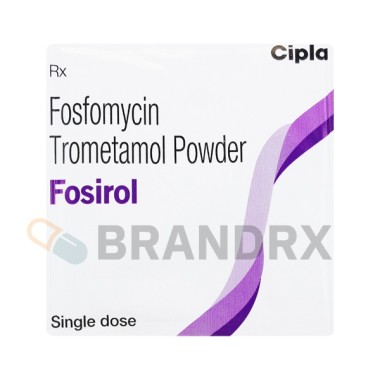
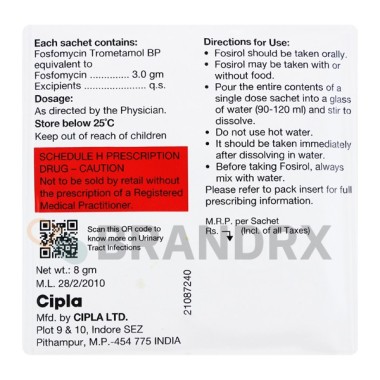
126.00€
Unlock Your Athletic Potential with Fosirol Powder 3 gm Cipla Fosirol Powder 3 gm Cipla is a cuttin..
[Contains Fosfomycin]
Fosfomycin is an antibiotic medication that has garnered attention in the medical community for its effectiveness in treating certain bacterial infections. Specifically, it is primarily used to treat uncomplicated urinary tract infections (UTIs), particularly those caused by susceptible strains of bacteria. This medication is designed for individuals who require a targeted and efficient treatment option, especially when faced with multi-drug resistant organisms or infections that do not respond to conventional antibiotics.
The mechanism of action of Fosfomycin is unique among antibiotics. It inhibits bacterial cell wall synthesis by blocking the enzyme MurA, which is critical in the synthesis of peptidoglycan, a major component of the bacterial cell wall. This action ultimately prevents the growth and multiplication of bacteria, making Fosfomycin an invaluable option in the fight against infections. Its ease of administration, often available in a single-dose format, offers convenience and adherence benefits for patients.
[Does not contain Fosfomycin]
Products not containing Fosfomycin are often considered for individuals presenting with a broad range of infections or those looking for alternative treatments. These products may be beneficial for patients who may not tolerate Fosfomycin due to specific contraindications or those who have particular medical conditions where Fosfomycin could pose risks. This category is typically intended for healthcare professionals and patients needing diverse antibiotic options based on individual health profiles.
It is crucial for individuals to consult with a qualified healthcare professional before opting for any alternative treatments, particularly antibiotics. Pregnancy, breastfeeding, pediatric patients, and those with certain health issues (such as kidney disease or a history of allergic reactions to antibiotics) may require special considerations. A healthcare provider can offer tailored advice about the suitability of various antibiotic treatments based on an individual’s health status and infection type.
[Contains Fosfomycin]
Fosfomycin possesses several key characteristics that enhance its appeal as an effective treatment option. Among its notable benefits include:
- Broad-spectrum effectiveness against both Gram-positive and Gram-negative bacteria.
- Single-dose administration that supports patient adherence and convenience.
- Minimal adverse effects, making it generally well-tolerated among patients.
- Oral and intravenous formulations, offering flexibility in administration routes.
- Valuable option for treating recurrent urinary tract infections.
These benefits highlight Fosfomycin's role in modern antibiotic therapy and stress its importance for specific patient groups, including those with complicated infections or those who have not responded well to traditional antibiotics. Additionally, its role in combating antibiotic resistance showcases its importance in ongoing public health efforts.
[Does not contain Fosfomycin]
The value and practical applications of antibiotics that do not encompass Fosfomycin should not be overlooked. The diverse range of antibiotic options available allows healthcare providers to tailor treatment regimens that best address individual patient needs and specific bacterial infections. Diligent use of these antibiotics, guided by culture and sensitivity testing, enhances the likelihood of successful treatment outcomes while minimizing the risk of developing antibiotic resistance.
Choosing the appropriate antibiotic—whether it’s Fosfomycin or another class—requires careful consideration of the infection type, patients' health history, and potential drug interactions. This precise approach not only optimizes therapeutic benefits but also ensures responsible use of antibiotics, contributing to patient safety and overall public health. Therefore, cultivating a dialogue between patients and healthcare professionals about treatment options remains crucial in achieving effective healthcare outcomes.