
Diclofenac
58.00€
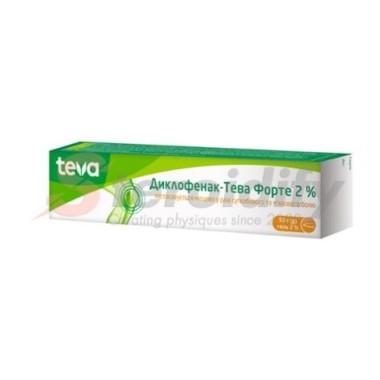
Description of the product Diclofenac Forte Gel 2% Teva Pharmaceutical Diclofenac Forte Gel 2% Teva..
Contains Diclofenac
Diclofenac is a potent non-steroidal anti-inflammatory drug (NSAID) widely utilized for its analgesic and anti-inflammatory properties. It is commonly prescribed to manage pain and inflammation associated with various conditions such as arthritis, muscle pain, and post-operative recovery. All products within the Diclofenac category share a common mechanism of action; they work by inhibiting enzymes that contribute to the inflammatory process, specifically the cyclooxygenase enzymes (COX-1 and COX-2). This inhibition decreases the production of prostaglandins, compounds that promote inflammation, pain, and fever, leading to effective relief for patients.
Key characteristics of Diclofenac products include their rapid onset of action, typically providing relief within hours of administration. They are available in various formulations, including oral tablets, topical gels, and injections, allowing for versatility in how they are used based on the specific needs of patients. The binding affinity to COX enzymes and the resulting therapeutic effects are foundational elements that unify all products within this category.
Does not contain Diclofenac
When exploring alternatives to Diclofenac, various non-NSAID pain relief options may come into play, including acetaminophen and topical analgesics that do not operate through the same pathways. Common forms include creams, ointments, and oral pain relievers that are formulated differently to target discomfort without the use of NSAIDs. These products may focus more on muscle relief or localized pain without affecting systemic inflammation. Understanding how these alternatives differ allows users to make informed decisions based on their specific symptoms and health profiles.
Additionally, other categories such as corticosteroids and biological agents diverge significantly in their mechanisms. Corticosteroids are often used for their immunosuppressive properties, affecting long-term inflammation control rather than immediate pain relief, while biological agents target specific components of the immune response. The selection of these alternatives should be guided by the underlying condition and individual patient factors.
Contains Diclofenac
Products containing Diclofenac are distinguished from other categories within sports pharmacology primarily by their targeted action against pain and inflammation rather than overall performance enhancement or muscle building. While anabolic substances may aim to increase strength or promote recovery through muscle growth, Diclofenac serves a critical role in managing pain that may hinder performance. For athletes dealing with acute injuries or chronic conditions, choosing Diclofenac can provide a pathway to recovery by enabling continued activity despite discomfort.
Moreover, Diclofenac stands apart due to its well-researched effectiveness and established history in both clinical and sports contexts. Athletes often consider this category when seeking to alleviate pain from joint or muscle injuries sustained during training or competition. It can play an integral role in a rehabilitation strategy, allowing for a faster return to full physical activity.
Does not contain Diclofenac
While using products from the Diclofenac category can provide significant benefits, it's crucial to consider long-term usage implications. Continuous use of NSAIDs raises potential concerns, including gastrointestinal issues, increased risk of cardiovascular events, and renal function deterioration. As a result, patients and users should remain aware of contraindications. For instance, pregnant women, children, and individuals with pre-existing kidney conditions or those with a history of heart disease may need to avoid products containing Diclofenac or demand caution when considering their use.
Moreover, prolongation of therapy without medical supervision carries inherent risks. Regular check-ins with healthcare professionals can help monitor for adverse effects and guide appropriate dosing and duration of use. Education on these considerations is essential for ensuring safe and effective management of pain and inflammation.
Contains Diclofenac
When selecting products from the Diclofenac category, several factors warrant careful consideration to maximize benefits while minimizing risks. Users should first evaluate the formulation, whether oral, topical, or injectable, based on symptoms and convenience. For localized pain, topical gels or patches may offer significant relief with fewer systemic side effects compared to oral forms.
Next, dosage strength and frequency of administration must be carefully considered. Individuals should pay close attention to the prescribing information and adhere to recommended doses, as excessive intake may lead to increased risk of adverse effects. Consulting with healthcare professionals about the appropriateness of Diclofenac products in the context of one’s unique health condition and history is also advisable.
Ultimately, informed decision-making and a thorough understanding of the product and its implications will better support users' pain management strategies. By evaluating these aspects, individuals can select an effective product that aligns with their health goals while safely navigating the landscape of pain relief options.