
Diclofenac diethylamine
14.00€
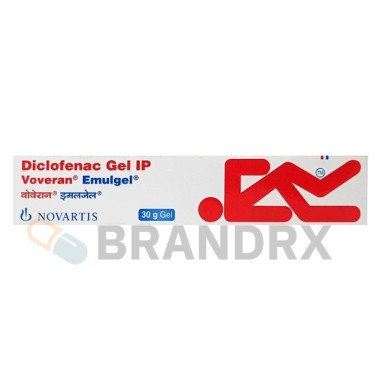
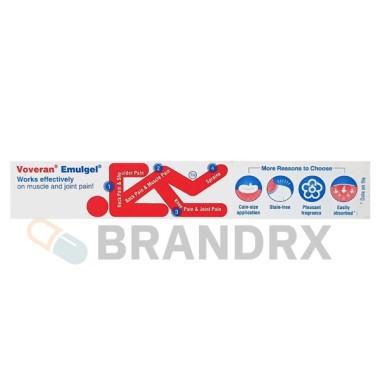
Voveran Emulgel 1% Novartis — main properties and key benefits Voveran Emulgel 1% Novartis is a cut..
[Contains Diclofenac diethylamine]
Diclofenac diethylamine is a topical analgesic belonging to the group of non-steroidal anti-inflammatory drugs (NSAIDs). It is widely used in various formulations to alleviate pain and reduce inflammation associated with musculoskeletal conditions. All products in the Diclofenac diethylamine category share a core function: delivering pain relief and anti-inflammatory effects directly to affected areas. This localized action allows for a targeted approach, minimizing systemic side effects often seen with oral NSAIDs.
Common characteristics of Diclofenac diethylamine products include their gel or cream formulations that facilitate easy application on the skin. They typically offer rapid penetration, providing relief in a short timeframe. Users appreciate the absence of systemic absorption compared to oral medications, making this an attractive option for those who prefer localized treatment.
Moreover, products in this category are known for their user-friendly packaging and dosing instructions, which enhance compliance and ease of use. Their effectiveness is supported by numerous studies demonstrating their utility in managing acute and chronic pain conditions, making them a staple in both professional medical settings and home care.
[Does not contain Diclofenac diethylamine]
While Diclofenac diethylamine products are specifically formulated for localized pain relief, there exists a wide range of alternative analgesics and anti-inflammatories in the market that do not contain this compound. Common types include acetaminophen, ibuprofen, and other topical remedies such as menthol or capsicum. Each classification serves different therapeutic purposes and possesses varying properties, concentration levels, and effectiveness.
For example, while Diclofenac diethylamine targets inflammatory responses, other products may be geared more toward general pain relief or temporary symptomatic treatment. Topical analgesics, such as menthol creams, provide a cooling sensation and distraction from pain but may not address the underlying inflammatory process as effectively as Diclofenac diethylamine. Understanding these differences is crucial for selecting a treatment that aligns with specific medical or therapeutic goals.
[Contains Diclofenac diethylamine]
The primary distinction between Diclofenac diethylamine products and those in other sports pharmacology categories lies in their mechanism of action and the type of pain they are designed to alleviate. Where many oral NSAIDs function systemically to lower pain and inflammation, Diclofenac diethylamine excels at providing localized relief, making it particularly beneficial for athletes and fitness enthusiasts dealing with acute injuries or chronic conditions affecting a specific joint or muscle group.
Users may opt for Diclofenac diethylamine in scenarios such as a sports injury requiring immediate relief or during rehabilitation phases following surgery or physical therapy. It is also popular among individuals engaging in high-intensity training, whereby muscle soreness becomes a frequent issue. In these contexts, the localized administration allows for concentrated effects with minimal side effects, which is a key consideration for any athlete looking to maintain peak performance without the burdening effects of systemic medication.
[Does not contain Diclofenac diethylamine]
Long-term considerations surrounding the use of topical NSAIDs, including Diclofenac diethylamine, must be carefully evaluated. While these products can provide effective short-term pain and inflammation relief, prolonged use may carry risks, including skin irritation or an increased risk of adverse effects in individuals with specific pre-existing conditions.
It is essential to recognize contraindications and precautions associated with the use of Diclofenac diethylamine, including its unsuitability for pregnant women, nursing mothers, and children without medical guidance. Moreover, those with certain medical conditions, such as severe liver or kidney impairment, or individuals taking specific medications, should consult healthcare professionals to evaluate their safety and compatibility with other treatments.
[Contains Diclofenac diethylamine]
When selecting products from the Diclofenac diethylamine category, consumers should consider several key factors to ensure they make an informed choice. First, it is essential to evaluate the concentration of the active ingredient within the formulation. Higher concentrations may offer faster relief, but users should initiate treatment with the recommended dose to assess tolerance accurately.
Furthermore, the form of the product—whether it be a gel, cream, or patch—can significantly influence user experience and convenience. Individuals should also examine the accompanying inactive ingredients, as they can affect skin compatibility and overall efficacy. Consulting with a healthcare provider for personalized recommendations can further aid in selecting the most appropriate product based on individual needs and conditions.
Overall, understanding the unique characteristics, benefits, and considerations involved with Diclofenac diethylamine products ensures that users are well-positioned to utilize these effective tools for pain management in their daily lives.