
Dextromethorphan
30.00€
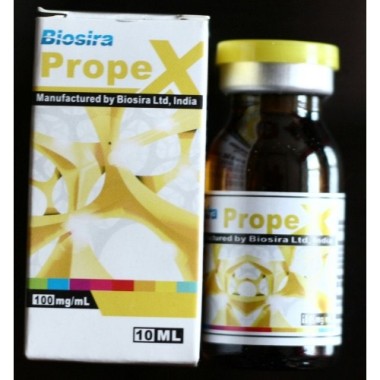
What is Propex Pharmaceutical? Propex Pharmaceutical is a specialized product formulated for athlete..
[Contains Dextromethorphan]
Dextromethorphan (DXM) is a widely recognized active ingredient found in numerous over-the-counter (OTC) cough and cold medications. It belongs to a class of drugs known as antitussives, which are primarily used to relieve coughing. DXM works by affecting the signals in the brain that trigger the cough reflex, making it invaluable for individuals suffering from persistent coughs due to colds or flu. Commonly available in various formulations including syrups, tablets, lozenges, and extended-release capsules, all products containing Dextromethorphan share the core goal of alleviating coughing and improving overall respiratory comfort. As a safe option when used as directed, Dextromethorphan has become a staple in many households, providing effective relief without the sedative properties commonly associated with other cough suppressants.
[Does not contain Dextromethorphan]
In addition to Dextromethorphan-containing products, there are numerous alternatives available on the market for cough and cold relief that do not utilize this specific ingredient. These may include expectorants like guaifenesin, antihistamines such as diphenhydramine, and nasal decongestants like phenylephrine. Each of these types serves distinct purposes: expectorants help to thin mucus, making it easier to expel; antihistamines can relieve sneezing and runny nose by blocking histamine effects; and decongestants work to alleviate nasal stuffiness by constricting blood vessels in the nasal passages. When choosing between options, it’s crucial to consider symptoms and select the appropriate type of medication that addresses specific needs, thus enhancing the efficacy of treatment.
[Contains Dextromethorphan]
Dextromethorphan products stand out from other categories of sports pharmacology through their unique mechanism of action. While many products focus on enhancing performance or muscle recovery, DXM is primarily concerned with symptom relief, specifically targeting cough. Users may turn to Dextromethorphan when they are experiencing upper respiratory issues that hinder their ability to train or compete effectively. By alleviating coughing, DXM can enable athletes to maintain their routine without the disruption caused by throat irritation or mucosal inflammation. It is important to note, however, that Dextromethorphan should be used judiciously as part of a broader health strategy, emphasizing the importance of overall wellness and symptom management first and foremost.
[Does not contain Dextromethorphan]
Long-term use of cough suppressants, particularly those that do not include Dextromethorphan, requires careful consideration. Certain contraindications exist; for example, individuals with chronic respiratory conditions such as asthma or chronic obstructive pulmonary disease (COPD) may need to avoid specific formulations, particularly those that suppress productive coughs. Furthermore, it is crucial to remain cautious with the use of some alternatives in vulnerable populations, including pregnant women, nursing mothers, and young children, many of whom may experience heightened sensitivity or adverse effects. Awareness of potential drug interactions and pre-existing health conditions is essential for ensuring safe use, hence consulting a healthcare provider before starting any new medication is advisable.
[Contains Dextromethorphan]
When selecting a product containing Dextromethorphan, users should assess several important factors to maximize safety and effectiveness. First, it is vital to consider the formulation—whether a syrup, lozenge, or pill best suits personal preferences and symptom severity. Furthermore, users should evaluate the dosage—following guidelines closely will mitigate the risk of side effects associated with overuse. Analysing ingredient labels for potential additives or allergens is equally essential, particularly for those with specific dietary restrictions or sensitivities. Lastly, alongside consulting healthcare professionals when necessary, it is wise to monitor one’s response to the medication after use, ensuring that it meets therapeutic needs without causing undue discomfort or complications.