
D-alpha tocopheryl acetate
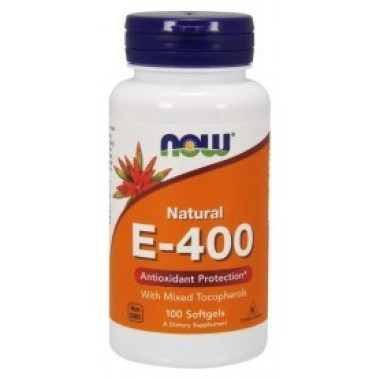
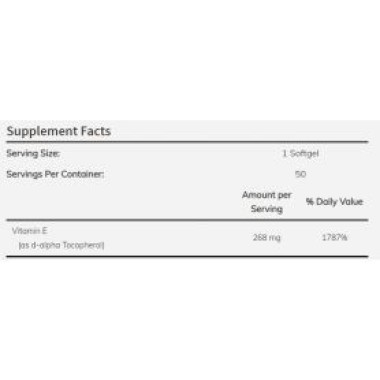
[Contains D-alpha tocopheryl acetate]
D-alpha tocopheryl acetate is a powerful form of Vitamin E and a commonly used ingredient in various health and beauty products. This category includes a wide range of formulations, from skin creams and lotions to dietary supplements and topical preparations. The unifying characteristic of these products is their rich antioxidant properties, which help protect cells from oxidative stress caused by free radicals. D-alpha tocopheryl acetate is known for its stability, making it an ideal choice for formulations that require a long shelf life. Unlike other forms of Vitamin E, this acetate version can penetrate the skin effectively, providing nourishment and protection to the skin layers.
Furthermore, the inclusion of D-alpha tocopheryl acetate enhances the moisturizing qualities of various lotions and creams, ensuring optimal skin hydration. This is crucial for preventing premature aging signs and maintaining youthful skin texture. By working synergistically with other ingredients, D-alpha tocopheryl acetate not only fortifies the protective barrier of the skin but also promotes a healthy complexion, enhancing the overall efficacy of the products in which it's incorporated.
[Does not contain D-alpha tocopheryl acetate]
There are several products available in the health and wellness market that do not contain D-alpha tocopheryl acetate but offer unique benefits. For instance, natural oils such as argan oil, coconut oil, and jojoba oil focus on providing intensive hydration, nourishment, and other beneficial effects without the antioxidant properties of D-alpha tocopheryl acetate. These oil-based solutions tend to cater to individuals seeking natural options with Omega fatty acids, which are essential for skin repair and health. Additionally, serums that are rich in Vitamin C or retinoids shine in their ability to stimulate cell turnover and brighten the skin, making them an attractive alternative for combating signs of aging.
Furthermore, products containing hyaluronic acid are gaining popularity for their ability to retain moisture in the skin, making them particularly effective for hydration. While these alternatives provide different benefits, they may not have the powerful protective capabilities of D-alpha tocopheryl acetate. Thus, when choosing between these options, consumers should consider their specific skincare needs and the characteristics of the products they are evaluating.
[Contains D-alpha tocopheryl acetate]
The primary distinction of D-alpha tocopheryl acetate products compared to those in other categories of sports pharmacology lies in their functional properties and usage contexts. In contrast to anabolic steroids or pre-workout supplements, which primarily focus on performance enhancement and muscle growth, D-alpha tocopheryl acetate focuses on recovery and cellular protection. Athletes and fitness enthusiasts often experience oxidative stress as a result of intense training regimens, leading to fatigue and longer recovery times. Incorporating D-alpha tocopheryl acetate-based products can help mitigate oxidative damage and promote quicker recovery, allowing players and active individuals to maintain their performance levels.
Additionally, this form of Vitamin E can also be beneficial for skin healing and sun damage protection, especially for athletes exposed to outdoor conditions. Users seeking to manage skin-related issues that arise from their sports activities may consider products containing D-alpha tocopheryl acetate for their multifaceted benefits, allowing them to not only protect their skin but also to enhance overall well-being during their athletic journey.
[Does not contain D-alpha tocopheryl acetate]
When using products that do not include D-alpha tocopheryl acetate, it's essential to stay mindful of certain long-term considerations. As with any skincare or health product, there are potential contraindications associated with various ingredients found in these products. For instance, some individuals may experience adverse reactions to certain herbal extracts or synthetics in formulations devoid of D-alpha tocopheryl acetate. Additionally, those with sensitive skin or pre-existing skin conditions should be cautious and perform patch tests to gauge compatibility.
Certain groups, including pregnant women, children, or individuals with specific medical conditions, may also find that some products are unsuitable. It's advisable to consult healthcare professionals before starting any new regimen. Overall, informed choices and cautious evaluations are crucial when opting for products without D-alpha tocopheryl acetate, ensuring safety and appropriate use.
[Contains D-alpha tocopheryl acetate]
When selecting products from the D-alpha tocopheryl acetate category, users should consider several key factors to ensure they are making an informed decision. First and foremost, reviewing the concentration of D-alpha tocopheryl acetate in the formulation is critical, as higher concentrations may provide enhanced benefits. Additionally, understanding the product's intended use—whether it's for skincare or dietary supplementation—can help individuals align their choices with their health and wellness objectives.
Users should also evaluate the presence of additional ingredients that complement D-alpha tocopheryl acetate's effects, such as other vitamins, botanicals, or essential fatty acids. Conducting thorough research, reading customer reviews, and consulting professionals can also provide insights into the efficacy of specific products. Lastly, verifying the brand's reputation and commitment to quality manufacturing practices will help ensure that the chosen product is safe and effective. By taking these factors into account, users can effectively harness the benefits of D-alpha tocopheryl acetate for a healthier lifestyle.