
Chloroquine
44.00€
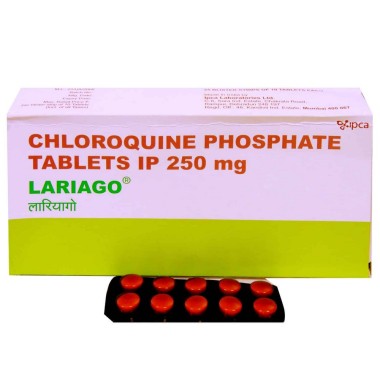
What is Generic Aralen – Lariago (Chloroquine) Ipca Laboratories Ltd Generic Aralen – Lariago (Chlor..
Understanding Chloroquine
Chloroquine is a medication primarily known for its use in treating malaria, a potentially fatal disease caused by parasites that enter the body through the bite of infected mosquitoes. In addition to its antimalarial properties, Chloroquine has been investigated for its effectiveness in managing autoimmune disorders such as rheumatoid arthritis and lupus. The chemical structure of Chloroquine allows it to interact with various biological pathways, making it a favorable candidate in pharmacology, particularly within the realm of sports performance enhancement.
In the context of sports, Chloroquine has garnered attention for its potential to improve athletic performance, particularly through its ability to modulate metabolic processes. Athletes and fitness enthusiasts often seek out methods to enhance endurance and recovery, leading to interest in compounds like Chloroquine. However, it is essential for users to approach such substances with caution, considering the associated risks and legal implications of using performance-enhancing drugs.
Characteristics of Non-Chloroquine Substances
- Usage guidelines: Products in this category often come with specific instructions for use, aimed at optimizing benefits while minimizing risks.
- Contraindications: Certain populations should avoid these substances. For instance, pregnant women may experience adverse effects, making it crucial for them to consult healthcare professionals before use.
- Medical conditions: Individuals with pre-existing medical conditions, such as cardiovascular diseases or those with liver or kidney impairments, may face heightened risks.
- Children: Many of these products are typically not recommended for children due to the lack of extensive safety data on pediatric populations.
- Potential side effects: Side effects can vary, and may include gastrointestinal disturbances, skin reactions, or effects on mood and cognitive function.
Trends and Developments in Chloroquine Research
Recent years have seen an evolution in the discussion surrounding Chloroquine, particularly in light of its application beyond malaria treatment. During the COVID-19 pandemic, interest in Chloroquine surged as researchers explored its potential antiviral capabilities. While clinical trials explored its effectiveness against SARS-CoV-2, the findings have been met with mixed results, sparking debates in the medical community. Furthermore, ongoing research is investigating the compound’s potential impacts on immune response modulation, which could benefit athletes looking for improved recovery or reduced inflammation post-exercise.
Moreover, the interest in Chloroquine as a performance-enhancing agent has been fueled by anecdotal reports and limited studies suggesting it may help with endurance. Athletes often look for an edge in competitive sports, leading to an ongoing scrutiny of compounds like Chloroquine, prompting organizations to examine their regulations and, in some cases, ban their use within competitive sports contexts. This highlights the importance of fair competition and athlete safety.
Responsible Use of Non-Chloroquine Products in Sports
Within the realm of sports pharmacology, products similar to Chloroquine often play a role in performance enhancement, but they must be approached with a deep understanding of their properties and potential impact on health. Athletes considering these options should conduct thorough research, engage with healthcare professionals, and remain informed about the legalities associated with their use.
It is vital for athletes and active individuals to weigh the benefits against the risks associated with these substances. As sports pharmacology continues to evolve, maintaining a thoughtful approach toward responsible use is crucial, ensuring that athletes can pursue their goals safely while minimizing the potential for health complications associated with unauthorized or improper use of performance enhancers.