
Chicken meat
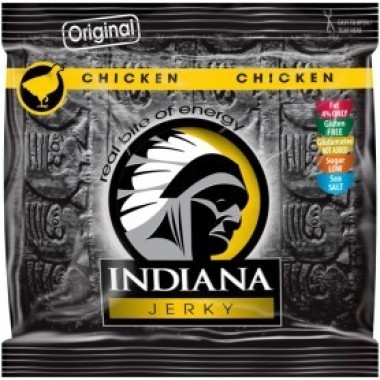
[Contains Chicken meat]
Chicken meat is one of the most widely consumed sources of protein across the globe. Packed with essential nutrients, it serves as a staple in many diets due to its versatility, affordability, and health benefits. Rich in high-quality protein, chicken meat provides essential amino acids crucial for muscle recovery and development, making it especially popular among athletes and those engaged in strength training. Beyond basic nutrition, chicken meat plays a pivotal role in sports pharmacology, where its amino acid profile supports not only muscle development but also energy levels during intense physical activities.
Among athletes, chicken meat is often favored due to its lean profile. Unlike red meats, which can be higher in saturated fats, chicken meat is a healthier option for maintaining fitness while minimizing fat intake. Moreover, chicken is often recommended as part of post-workout recovery meals, aiding in the repair of damaged muscles and boosting overall performance. In the context of sports pharmacology, chicken meat is seen as a natural source of protein, enhancing physical endurance without the adverse effects that synthetic supplements might pose.
[Does not contain Chicken meat]
When considering products that do not contain chicken meat, one often encounters various alternatives aimed at fulfilling dietary needs without animal proteins. These products typically include plant-based proteins, egg proteins, and a range of supplements derived from non-animal sources. The following are key characteristics and fundamental principles associated with these products:
- Source of Protein: Many alternatives provide protein derived from legumes, grains, or nuts, making them suitable for vegetarians and vegans.
- Lower in Saturated Fat: Products devoid of chicken meat are generally lower in saturated fats, appealing to those looking for healthier cardiovascular options.
- Dietary Restrictions: Certain proteins cater to individuals with dietary restrictions, including lactose intolerance or specific allergies.
- Environmental Impact: Plant-based options often have a smaller carbon footprint, aligning with sustainability values.
- Special Considerations: Such products may not provide all essential amino acids, necessitating careful planning for a balanced diet.
However, caution should be exercised with certain demographics such as:
- Pregnant women, who should consult healthcare professionals regarding protein intake.
- Children, who may need specific protein requirements for growth.
- Individuals with kidney conditions, where high protein intake may require monitoring.
- People with specific allergies, as some alternative proteins may trigger allergic reactions.
[Contains Chicken meat]
Current trends in chicken meat consumption reveal an increasing focus on healthier eating habits and sustainable practices. Organic and free-range chicken meat is gaining popularity among consumers, driven by a growing awareness of animal welfare and the chemical processes behind meat production. This shift indicates a desire for transparency in food sourcing while promoting options that are not only nutritious but also ethically sound.
Furthermore, new culinary practices emphasize the use of various cooking methods for chicken meat. Grilling, baking, and slow cooking are favored ways to prepare this versatile protein while enhancing flavor without adding excessive fats. The rise of meat alternatives has also spurred innovation in marinades and seasonings specifically designed to complement chicken meat, improving both health benefits and sensory experiences for consumers. By tapping into nutritional insights and culinary creativity, chicken meat continues to adapt to evolving dietary trends and preferences, serving as a fundamental component of many balanced diets.
[Does not contain Chicken meat]
The role of non-chicken meat products in the context of sports pharmacology cannot be underestimated. They offer a range of alternatives that cater to various dietary preferences while still providing the necessary nutrients for athletic performance and recovery. These products, including plant-based protein powders and vegetable-based supplements, maintain their own unique profiles that appeal to individuals seeking balanced nutrition without relying on animal products.
Responsible users of these non-chicken meat alternatives should consider their own nutritional needs and consult with healthcare or nutritional experts to delineate appropriate intake levels. This responsible approach ensures that individuals maximize the benefits from these products while minimizing potential risks related to deficiencies or dietary omissions. As the market for sports-related nutrition continues to expand and diversify, a structured understanding of both chicken meat and its alternatives will remain essential for athletes and fitness enthusiasts alike.