
Carisoprodol
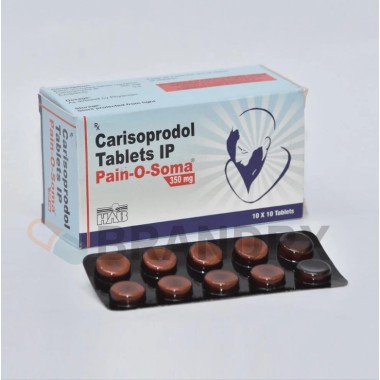
8.00€
Product Description Pain-O-Soma 350 mg HAB Pharmaceuticals Pain-O-Soma 350 mg HAB Pharmaceuticals is..
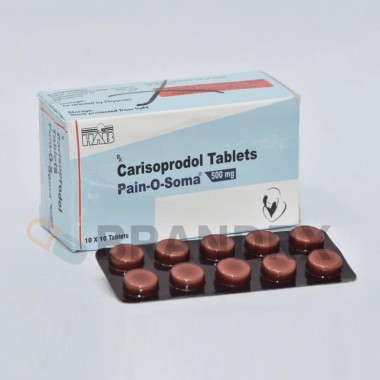
12.00€
Characteristics of the product Pain-O-Soma 500 mg by HAB Pharmaceuticals is a commonly used medicati..
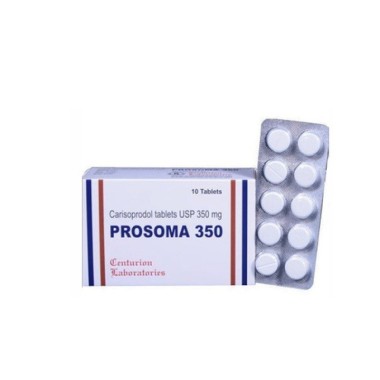
18.00€
Are You Tired of Chronic Pain Holding You Back? Every day can be a struggle when pain disrupts your ..
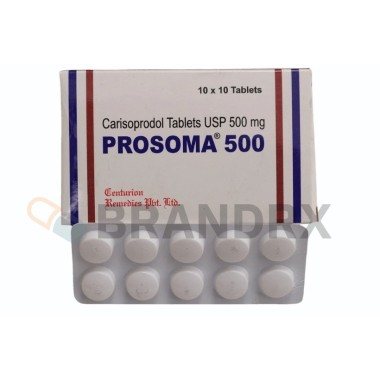
34.00€
Prosoma 500 mg Centurion Laboratories — Short Description Prosoma 500 mg by Centurion Laboratories i..
[Contains Carisoprodol]
Carisoprodol is a centrally acting muscle relaxant that is commonly used to relieve muscle spasms and discomfort associated with acute musculoskeletal conditions. This medication is often prescribed alongside rest, physical therapy, and other measures to aid recovery from injury or muscle strain. Carisoprodol works by interfering with the communication between the nerves in the central nervous system, ultimately leading to a reduction in the perception of pain and muscular tension.
In the context of sports pharmacology, Carisoprodol has garnered attention for its potential role in alleviating muscle soreness and enhancing recovery after intense physical activity. Athletes and fitness enthusiasts are frequently on the lookout for ways to improve their performance and optimize their recovery time. Carisoprodol’s sedative properties can lead to a temporary reduction in muscle tension, making it attractive for those recovering from sports-related injuries. However, it is crucial for athletes to approach any medication with caution and to be aware of the regulatory landscape surrounding such substances in competitive sports.
[Does not contain Carisoprodol]
Products used for muscle relaxation and pain relief may often share certain characteristics, albeit differing in active ingredients. These alternatives focus on alleviating muscle tension and improving mobility without including Carisoprodol. When considering the use of any muscle relaxants, it is essential to be aware of contraindications and precautions associated with such products. Below is a list of critical considerations:
- Pregnant Women: Many muscle relaxants can adversely affect fetal development; therefore, they are generally avoided during pregnancy.
- Children: Due to the lack of extensive research, caution is advised when prescribing muscle relaxants to children, as dosages may vary significantly.
- Individuals with Liver or Kidney Issues: Those with compromised liver or kidney function may experience heightened effects or prolonged side effects from muscle relaxants and may require dosage adjustments.
- History of Substance Abuse: Patients with a history of substance use disorder should approach muscle relaxants with caution, as many can be addictive.
- Allergic Reactions: Anyone with known allergies to specific ingredients in muscle relaxants should avoid use unless prescribed by a healthcare professional.
[Contains Carisoprodol]
As of late 2023, there are numerous trends and developments surrounding the use of Carisoprodol in both medical and athletic communities. Recent studies suggest an increased understanding of its properties and potential side effects, leading to more educated usage patterns among consumers and healthcare professionals alike. While the medication is primarily used for its muscle-relaxing properties, its implications in sports physiology have sparked interest in finding safer and more effective applications.
Moreover, as amateur and professional athletes alike seek to optimize their performance while avoiding injury, products containing Carisoprodol are undergoing increased scrutiny. Athletes are advised to conduct thorough research on the safety, efficacy, and legality of substances, including Carisoprodol, particularly in relation to sporting regulations and doping controls. A clear understanding of the product's pharmacokinetics and metabolism can aid users in making informed decisions about their usage.
[Does not contain Carisoprodol]
In sports pharmacology, understanding the broader category of muscle relaxants remains essential for both athletes and fitness enthusiasts. Even in the absence of Carisoprodol, muscle relaxants aim to promote recovery, reduce pain, and support mobility. Responsible use of these products involves comprehending their mechanisms, potential side effects, and the critical importance of consulting with healthcare professionals before starting any treatment regimen.
Furthermore, this product category emphasizes the importance of tailored approaches to muscle health, leveraging lifestyle modifications, proper nutrition, and exercise regimens in conjunction with any pharmacological treatments. As the landscape of sports pharmacology continues to evolve, it remains vital for practitioners and users to stay informed about best practices for safety and efficacy, ensuring that they can maximize their athletic performance and overall well-being without compromising their health.