
Capecitabine
74.00€
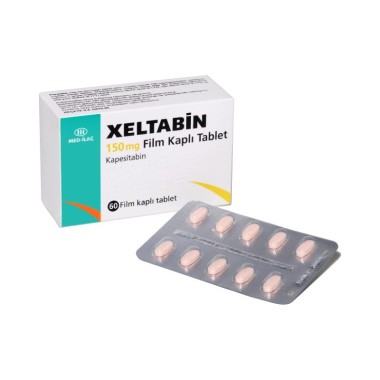
Basics of Xeltabin 150 Med Ilac: what you need to know Xeltabin 150 Med Ilac is a pharmaceutical pro..
331.00€
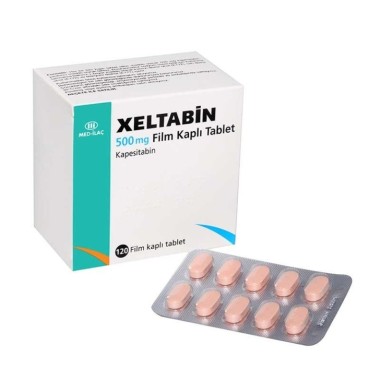
Product description Xeltabin 500 Med Ilac Xeltabin 500 Med Ilac is a pivotal medication utilized p..
Understanding Capecitabine: Overview and Applications
Capecitabine is a novel oral chemotherapeutic agent primarily used in the treatment of various types of cancer, most notably colorectal and breast cancers. As a prodrug, Capecitabine is metabolized in the body to its active form, fluorouracil, which interferes with DNA synthesis, thereby inhibiting cancer cell growth. Its unique mechanism of action allows for targeted cancer therapy with fewer side effects compared to traditional chemotherapy methods.
In addition to its oncology applications, Capecitabine has attracted attention in the realm of sports pharmacology. Athletes and fitness enthusiasts may explore its potential benefits for enhanced performance and recovery. Although not endorsed for such purposes, understanding its pharmacological actions provides insights into the ethical dilemmas surrounding the use of performance-enhancing drugs.
The role of Capecitabine in cancer treatment showcases its importance not only as a therapeutic agent but also reflects broader discussions on drug usage in sports. Awareness of Capecitabine's effects can help athletes make informed choices regarding their health and wellness.
Key Characteristics of Chemotherapy Agents
- Mechanism of Action: Most chemotherapeutic agents function by disrupting the reproduction of cancer cells, targeting rapidly dividing cells in the body.
- Side Effects: Patients using chemotherapy often experience a range of side effects, including fatigue, nausea, and increased susceptibility to infections.
- Contraindications: Certain individuals should avoid these agents, including:
- Pregnant women, due to potential harm to the fetus.
- Children, as their developing bodies may react differently.
- Individuals with preexisting conditions such as liver or kidney disease, as they could experience heightened toxicity.
- Precautions: Healthcare providers typically recommend monitoring for specific side effects and conducting regular assessments of organ function during treatment.
- Drug Interactions: Many chemotherapeutic agents, including Capecitabine, can interact with other medications, which may compound side effects or reduce efficacy.
Current Trends and Developments Related to Capecitabine
Recent developments surrounding Capecitabine reflect a growing interest in personalized medicine and the optimization of cancer therapies. Research is ongoing to find optimal dosing regimens that minimize toxicities while maximizing efficacy. Additionally, combination therapies involving Capecitabine and other agents are being explored to enhance outcomes in cancer patients.
Among healthcare professionals, preferences for Capecitabine have evolved towards integrating it with targeted therapies. This synergy aims to reduce the overall burden of treatment on patients while improving survival rates. Patient feedback has been pivotal in shaping these trends, informing physicians about tolerability and quality of life considerations during treatment.
Furthermore, studies are investigating the pharmacogenomics of Capecitabine, understanding how genetic variations affect individual responses to the drug. These insights could lead to tailored approaches in prescribing Capecitabine, making it a more effective tool in treating various cancer types.
Overview of Chemotherapeutic Products in Sports Pharmacology
The role of chemotherapeutic products in sports pharmacology raises significant ethical considerations. While the primary focus of these agents is cancer treatment, their misuse in sports reflects the ongoing challenge of performance enhancement in competitive environments. Athletes may be tempted to use such products in pursuit of physical gains, despite widespread acknowledgment of the health risks involved.
Responsible use of any pharmacological agent, including those used in chemotherapy, necessitates a thorough understanding of their properties and potential implications on overall health. Education about the risks associated with off-label usage is crucial for maintaining athlete integrity and promoting public health.
The dialogue surrounding Capecitabine and similar drugs highlights the critical intersection of medical ethics, sportsmanship, and health literacy. As the landscape of sports pharmacology continues to evolve, it is essential for athletes, coaches, and healthcare providers to remain informed about the implications of drug use on both performance and health outcomes.