
Buspirone
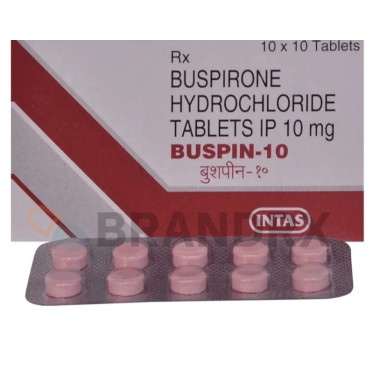
14.00€
Description of the product Buspin 10 mg Intas Pharmaceuticals Buspin 10 mg Intas Pharmaceuticals is..
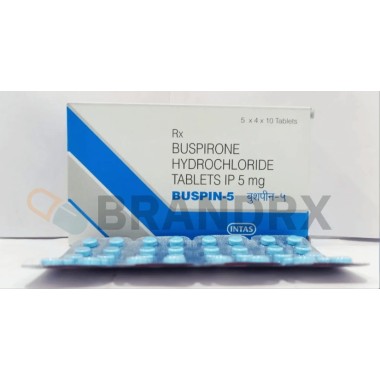
12.00€
Active ingredients of Buspin 5 mg Intas Pharmaceuticals and their properties Buspin 5 mg contains th..
[Contains Buspirone]
Buspirone is a medication primarily prescribed for the treatment of anxiety disorders, particularly generalized anxiety disorder (GAD). It operates as a serotonin receptor agonist and features a unique mechanism of action that differentiates it from traditional benzodiazepines. Unlike benzodiazepines, which can lead to dependency and have sedative effects, Buspirone is characterized by a lower potential for addiction and fewer side effects.
One of the key benefits of Buspirone is that it provides an effective option for those who suffer from chronic anxiety without the downsides of sedative medications. Athletes and sports enthusiasts may find interest in Buspirone not only for its anxiety-reducing properties but also for its potential role in enhancing focus and cognitive clarity during performance or competition. As sports pharmacology evolves, understanding the pharmacokinetics and pharmacodynamics of drugs like Buspirone allows for more informed choices regarding performance optimization while prioritizing mental health.
[Does not contain Buspirone]
Products within the category of anxiolytics commonly include a variety of agents designed to alleviate anxiety symptoms, similar in purpose to Buspirone but varying in composition and effects. These may encompass benzodiazepines, beta-blockers, and even certain herbal supplements. Each of these products has specific characteristics that define their utility:
- Benzodiazepines: Well-known for their fast-acting sedative effects. However, they carry risks for dependency and tolerance with long-term use.
- Beta-blockers: Often prescribed for performance anxiety, they help mitigate physical symptoms of anxiety but do not necessarily address mental aspects.
- Herbal supplements: Options like valerian root and passionflower offer natural alternatives but may lack robust clinical evidence.
Some key precautions include:
- Contraindications for pregnant women due to potential risks to fetal development.
- Use with caution in children and adolescents, who may respond differently to these medications.
- Individuals with a history of substance abuse should be cautious when considering anxiolytic medications.
When opting for any medication in the anxiolytic category, it's essential to consult healthcare professionals to weigh the risks and benefits tailored to individual health circumstances.
[Contains Buspirone]
The landscape surrounding Buspirone continues to evolve, as researchers and clinicians explore its broader implications beyond traditional use. Recent studies have indicated that it may have applications in managing symptoms related to depression and enhancing overall cognitive function. User preferences have shifted toward a more holistic approach to mental health care, where non-sedative options like Buspirone are increasingly desirable for sustained mental clarity without the adverse effects commonly associated with anxiety medications.
Moreover, the pharmaceutical development chain has led to formulations that enhance the bioavailability of Buspirone, potentially improving its efficacy. As the mounting evidence on the cognitive benefits of anxiolytics emerges, many athletes view Buspirone not merely as an anxiolytic but as a cognitive enhancer that keeps anxiety in check while allowing optimal performance during competition.
[Does not contain Buspirone]
Understanding the role of various anxiolytics within sports pharmacology offers insight into how athletes manage stress and performance anxiety. It is imperative for athletes to responsibly approach the use of these products, recognizing that while enhancing mental acuity or managing stress may illuminate performance potential, misuse can lead to detrimental consequences.
In summary, anxiolytic products, including but not limited to Buspirone, serve a significant function in the domain of sports pharmacology, addressing both psychological well-being and physical performance. As awareness grows surrounding the balance of mental health and athletic performance, informed decision-making and healthcare collaboration become paramount to ensure that performance enhancement is both safe and ethical.