
Budesonide and Formoterol
19.00€
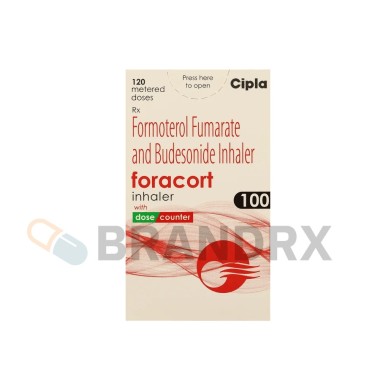
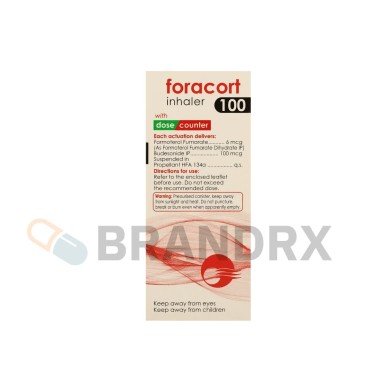
Characteristics of Foracort Inhaler 120 MD 100 mcg Cipla The Foracort Inhaler 120 MD 100 mcg, produ..
24.00€
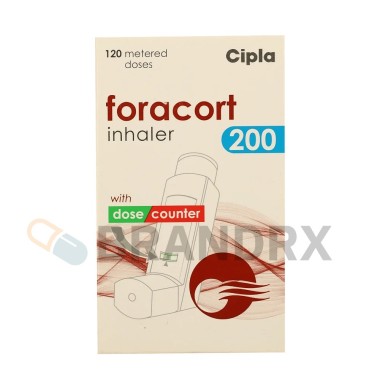
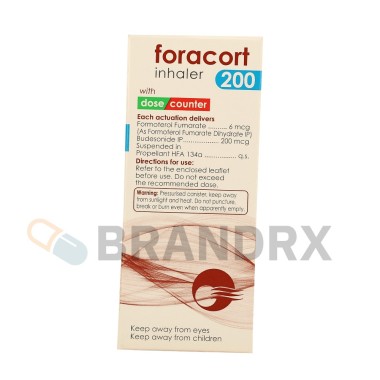
Characteristics of Foracort Inhaler 120 MD 200 mcg Cipla The Foracort Inhaler 120 MD 200 mcg manufac..

36.00€
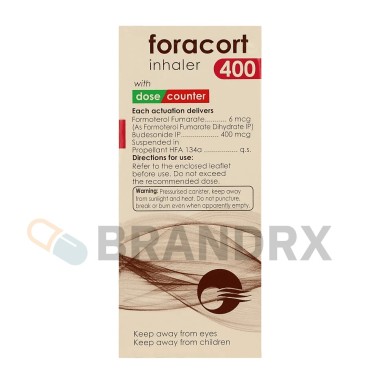
Characteristics of Foracort Inhaler 120 MD 400 mcg Cipla Key Properties and Advantages The Foracort..
19.00€
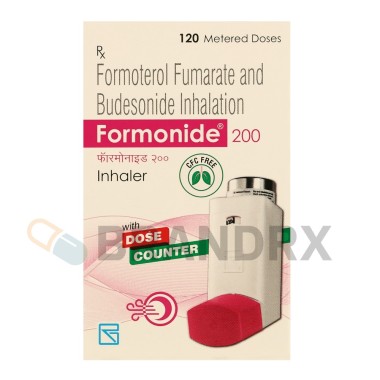
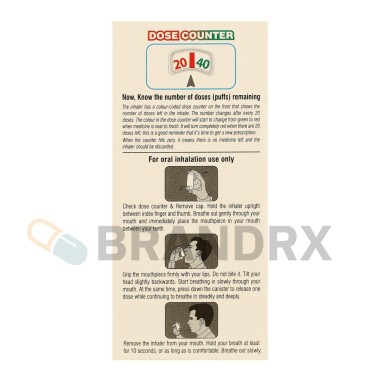
Characteristics of Formonide Inhaler 120 MD 200 mcg Cadila Pharmaceuticals Ltd. Formonide Inhaler 1..
Contains Budesonide and Formoterol
Budesonide and Formoterol are two active ingredients commonly found in combination inhalers primarily prescribed for the management of respiratory conditions such as asthma and chronic obstructive pulmonary disease (COPD). Budesonide, a corticosteroid, works by reducing inflammation in the airways, while Formoterol, a long-acting beta-agonist (LABA), relaxes the muscles around the airways, facilitating easier breathing. This synergistic combination enhances lung function and alleviates symptoms, making it a critical therapeutic option for patients.
In the realm of sports pharmacology, Budesonide and Formoterol have garnered attention—not only for their medical benefits but also for their use in enhancing athletic performance. Athletes with asthma or exercise-induced bronchoconstriction often rely on these medications not just for symptom relief but also to improve overall respiratory efficiency, enabling better performance in sports that require endurance and exceptional lung capacity. The role of Budesonide and Formoterol reflects a broader trend towards optimizing athletic performance while managing respiratory health.
Does Not Contain Budesonide and Formoterol
- Understanding Product Characteristics: Medications in this category typically share common active ingredients that can assist in respiratory management. They often include bronchodilators, corticosteroids, or combinations thereof.
- Contraindications: It's essential to recognize groups who may be advised against using such products. Individuals with a history of hypersensitivity to active ingredients or specific excipients should avoid these medications.
- Precautions: Caution is advised when prescribing to populations such as pregnant or nursing women, as well as those with existing cardiovascular issues or uncontrolled hypertension.
- Age Considerations: Pediatric patients, especially those under the age of 12, may require careful evaluation before initiating therapy, as the safety and efficacy in this group can differ.
- Existing Medical Conditions: Patients with certain comorbidities, such as hyperthyroidism, diabetes, or seizures, may need tailored treatment plans if respiratory management is necessary.
Contains Budesonide and Formoterol
Recent trends in the use of Budesonide and Formoterol have been characterized by ongoing research and evolving therapeutic protocols. Health professionals are continually assessing the dosages and delivery methods to optimize efficacy and minimize side effects. For example, studies have explored once-daily dosing regimens, making treatment more convenient for patients while ensuring therapeutic effectiveness. Additionally, there is an increasing inclination towards the use of smart inhalers that can track usage and help in medication adherence, benefiting both patients and healthcare providers.
Moreover, user preferences have shifted toward inhalers that provide faster onset of action and those tailored to the individual’s lifestyle and health profile. This evolution reflects an understanding that respiratory disorders can significantly impact daily life, and effective management enhances athletic performance and quality of life for individuals suffering from these conditions.
Does Not Contain Budesonide and Formoterol
Within the field of sports pharmacology, products that do not contain Budesonide and Formoterol still play a vital role in managing respiratory conditions and enhancing athletic performance. Understanding the characteristics and intended applications of these products is essential for athletes, coaches, and health professionals alike. Responsible use of respiratory medications is crucial, particularly in the competitive sports arena, to ensure compliance with anti-doping regulations and promote fair play.
Considerations for responsible use include monitoring the frequency of use, adhering to prescribed dosages, and being aware of potential side effects. Athletes should engage with healthcare professionals to find the most appropriate treatment plans that bolster performance while ensuring their long-term health and compliance with regulations. Responsible awareness fosters not only personal health but also the integrity of the sport and its athletes.
