
ROACCUTANE 20 DROGSAN
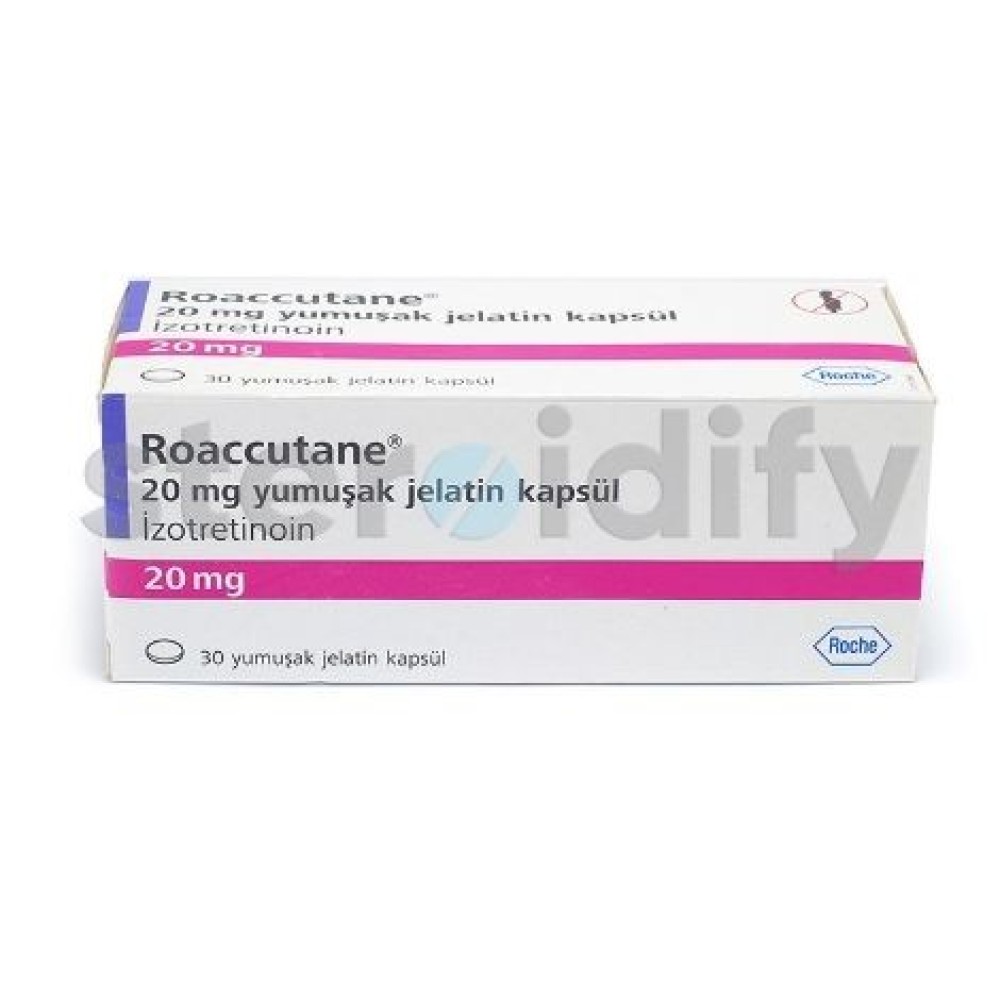
Medical product ROACCUTANE 20 DROGSAN: purpose and properties — general overview
ROACCUTANE 20 DROGSAN is a prescription medication primarily used to treat severe acne that has not responded to other therapies. This oral isotretinoin-based medication works effectively by reducing the production of sebum in the skin, thereby preventing clogged pores that can lead to acne breakouts. Beyond its acne-fighting capabilities, ROACCUTANE 20 DROGSAN has been recognized for its potential in treating certain skin conditions such as rosacea and hidradenitis suppurativa.
As a potent teratogenic agent, women of childbearing age must use effective contraceptive measures during treatment to prevent severe birth defects. ROACCUTANE 20 DROGSAN is categorized as a systemic retinoid and possesses anti-inflammatory and antimicrobial properties, contributing to its effectiveness in managing difficult acne cases.
Active ingredients — description of components
The primary active ingredient in ROACCUTANE 20 DROGSAN is isotretinoin. This vitamin A derivative is crucial for the drug’s effectiveness in addressing severe acne. Isotretinoin works by altering the behaviors of skin cells and reducing oil production, which plays a significant role in acne development.
- Isotretinoin: Reduces sebum production and unclogs pores.
- Vitamin A: Supports healthy skin cell turnover.
- Anti-inflammatory agents: Reduce redness and swelling associated with acne.
Through these mechanisms, isotretinoin not only addresses existing acne lesions but also prevents future occurrences, making it a comprehensive treatment option for patients battling severe or resistant forms of acne.
Safety of use ROACCUTANE 20 DROGSAN — side effects and warnings
While ROACCUTANE 20 DROGSAN is effective in treating severe acne, it is essential to be aware of its potential side effects and safety concerns. The medication can cause various reactions; thus, it is crucial for patients to discuss their medical history with their healthcare provider before starting treatment.
- Dry skin and mucous membranes
- Nosebleeds
- Increased sensitivity to the sun
- Muscle and joint pain
- Depression and mood changes
Due to the teratogenic risks associated with isotretinoin, women must avoid pregnancy during treatment and follow strict contraception guidelines. Regular monitoring by a healthcare professional is advised to mitigate potential risks and ensure effective management of side effects.
Therapeutic effect of the product — mechanism of action and benefits
The mechanism of action of ROACCUTANE 20 DROGSAN is centered around its ability to target the sebaceous glands, significantly reducing sebum production. This not only helps to clear existing acne but minimizes future breakouts, providing lasting results in the battle against severe acne. Additionally, isotretinoin has anti-inflammatory properties that further assist in reducing acne-related inflammation and improving skin texture.
Other notable benefits include:
- Rapid improvement in acne severity
- Reduction in the size of sebaceous glands
- Decreased likelihood of acne scarring
- Improvement in skin overall appearance and texture
- Long-lasting results even after the therapy is completed
By comprehensively addressing multiple aspects of acne, ROACCUTANE 20 DROGSAN represents an invaluable tool for patients suffering from persistent and treatment-resistant acne conditions.
Dosage regimen — dosage and course
The dosage of ROACCUTANE 20 DROGSAN varies depending on the severity of the acne and individual patient factors. Typically, the recommended starting dosage is between 0.5 mg to 1 mg per kilogram of body weight, administered once daily. The duration of the treatment usually spans 15 to 20 weeks, with some patients requiring additional courses based on their response to therapy.
It is vital to follow the physician's guidelines regarding dosage and to undergo periodic evaluations to monitor the effectiveness and safety of the treatment. Reassessment of the treatment plan may be necessary to achieve optimal results while minimizing any adverse reactions.
| Features | |
| Acne | No |
| Active Half-Life | 20-22 hours |
| Active substance | Isotretinoin |
| Also known as | 13-cis-Retinoic acid |
| Aromatization | No |
| Blood pressure | No significant effect |
| Chemical name | (2Z,4E,6E,8E)-3,7-dimethyl-9-(2,6,6-trimethylcyclohexen-1-yl)nona-2,4,6,8-tetraenoic acid |
| Classification | Dermatotropic drug |
| Dosage | 10-40 mg/day |
| Dosage (medical) | Typically 0.5 to 1 mg per kg of body weight per day, taken in two divided doses |
| Dosage (sports) | Not applicable |
| Effects | Reduces acne, decreases sebum production, promotes skin renewal |
| FORM | 30 pills x 20 mg |
| Formula | C20H28O2 |
| Half-life | 10-20 hours |
| HBR | No |
| Hepatotoxicity | Yes |
| Lab Test | Liver function tests, lipid profiles, pregnancy tests |
| Main action | Reduces sebum production, corrects abnormal keratinization, has anti-inflammatory properties |
| Side effects | Dry skin, lips and eyes, itching, nosebleeds, muscle aches, sensitivity to sunlight, decreased night vision, potentially severe birth defects if taken during pregnancy |
| Storage conditions | Store at controlled room temperature (15-30В°C), protect from light |
| Substance class | Retinoid |
| Trade name | Accutane, Roaccutane, Claravis, others |
| Use in sports | None |
| Water Retention | No |
| Manufacturer | Drogsan |